

Types of Fuel & Impact on Vehicle Performance
By Joe Keene
Engine Builder Magazine
When it comes to choosing the right fuel for your vehicle, several factors should be taken into consideration. These factors include the vehicle’s engine design, manufacturer recommendations, intended usage, and personal preferences.
As you know, there are many types of fuel on the market, and choosing the right one for your needs can be confusing. Now, we have answers thanks to writer Joe Keene and our friends at Engine Builder Magazine (and some great input from VP’s own Fred Turza, too). This article originally appeared on EngineBuilderMag.com. Continue reading below and discover more.
You may already be aware that the type of fuel you put into your vehicle can have a significant impact on its performance. By understanding the details of how fuel interacts with the engine, you will be better equipped to make informed decisions about which fuel to choose for your vehicle.
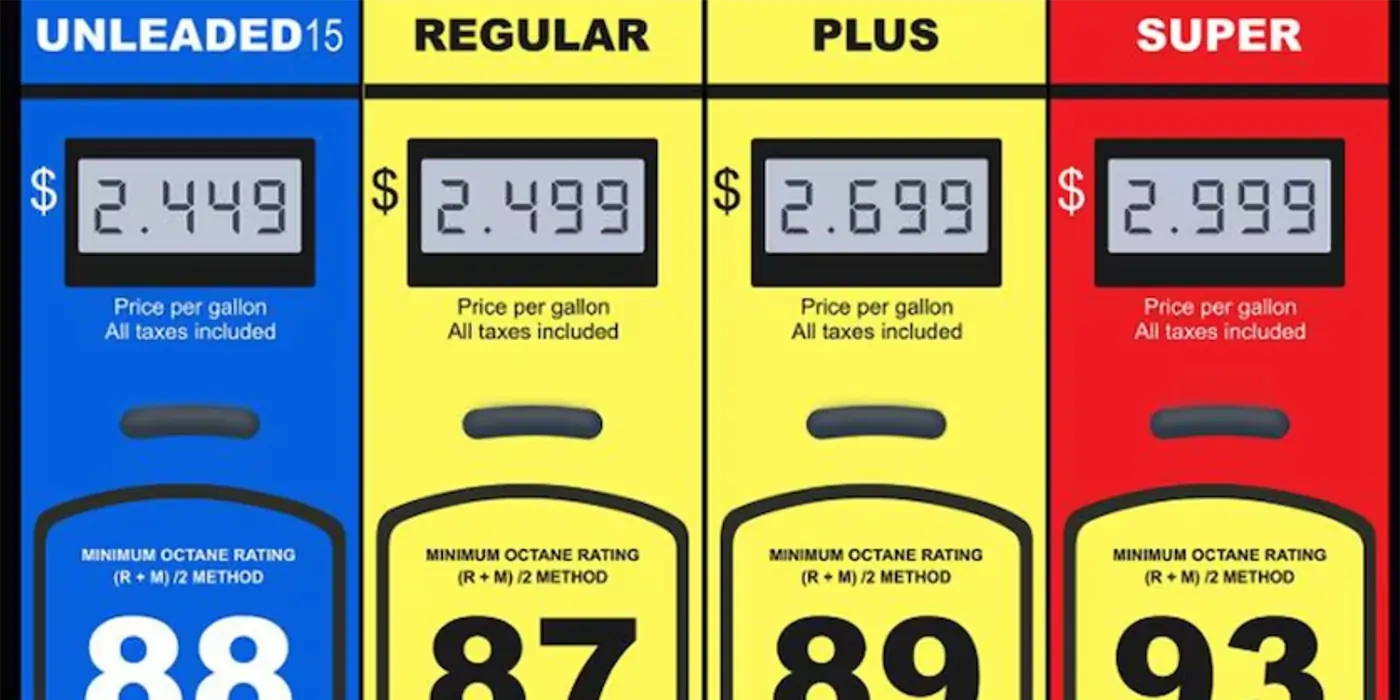
For starters, one crucial aspect of fuel that affects engine performance is its octane rating. The octane rating is a measure of a fuel’s ability to resist knocking or pinging during combustion. Higher octane fuels have a greater resistance to knocking, making them suitable for high-performance engines or vehicles with a high compression ratio. On the other hand, lower octane fuels are more prone to knocking, which can lead to decreased engine performance and potential damage in certain engines.
When fuel with a lower octane rating is used in an engine designed for higher octane fuel, the engine’s computer system may detect knocking and adjust the ignition timing to prevent it. However, this adjustment can result in reduced power output and overall performance. Therefore, it is crucial to use the recommended octane level specified by the manufacturer for your specific vehicle to ensure optimal engine performance.
The combustion process itself is also an important factor in understanding how different fuels burn inside the engine. When fuel is injected into the combustion chamber and mixed with air, it undergoes a chemical reaction resulting in combustion. The efficiency and speed at which this combustion occurs can vary depending on the fuel type.
“The burn rate of these fuels and the flame speed, that’s what’s the difference today,” says Lake Speed Jr. of Total Seal Piston Rings. “People throw octane at something and assume they’re going to have more power. No, in fact, it’ll actually make less horsepower if you didn’t tune the engine for that octane.”
ETHANOL-BASED FUEL: PROS & CONS
Gasoline, for example, burns relatively quickly and provides a high amount of energy release per unit of fuel. Ethanol-based fuels, such as E85, have gained popularity due to their renewable nature. These fuels have a higher oxygen content, which promotes more complete combustion and can result in increased engine performance. However, it is important to note that ethanol-based fuels typically have a lower energy content compared to gasoline, which can lead to reduced fuel efficiency.
Ethanol-based fuels, such as E85, have become a viable alternative to gasoline in recent years. These fuels are derived from renewable sources, making them more environmentally friendly. From an engine performance standpoint, ethanol-based fuels have some advantages and disadvantages to consider.
One advantage of using ethanol-based fuels is a higher-octane rating compared to gasoline. This higher-octane rating allows for increased engine compression ratios and can result in improved performance in certain engines. Additionally, ethanol has a higher heat of vaporization, which can help cool the intake charge, leading to better combustion and increased power output.
“Over the last 15 years or more, the oxygenated fuels have become more popular,” says Fred Turza of VP Racing Fuels. “We have developed and designed oxygenated fuels that have become game changers – both leaded and unleaded.”
However, there are also drawbacks to using ethanol-based fuels. As mentioned earlier, ethanol has a lower energy content compared to gasoline. This means that vehicles running on ethanol-based fuels may experience reduced fuel efficiency, as more fuel is required to generate the same amount of power. Additionally, ethanol is more corrosive than gasoline and can potentially damage certain engine components, if not properly addressed.
RACE FUEL: HOW IT'S DIFFERENT FROM GASOLINE
Of course, gasoline and ethanol-based fuels are one thing, but race fuels are another, and race fuels can significantly enhance the performance of engines due to a unique set of advantages. Used in various forms of motorsports, race fuels such as nitromethane and methanol have become popular.
Race fuels are specifically formulated to provide maximum performance and reliability in extreme conditions. These fuels often have a higher-octane rating than regular gasoline and are designed to resist detonation, allowing for more aggressive ignition timing and increased power output.
“The average racer, either drag racer or circle track, is always looking for a consistent style of fuel,” Turza says. “Conventional style race fuels (non-oxygenated fuels) are normally the most consistent because they are made with high-quality components and have a longer shelf life than, say, an oxygenated fuel.
“We continue to develop new fuels for performance advantages all over the world. However, there are many constraints with rules and regulations. This makes fuel development more expensive and more difficult.”
One of the primary benefits of using race fuels in high-performance engines is the ability to handle higher levels of boost and compression. The higher-octane rating and improved resistance to detonation enable engines to run at higher levels of power without the risk of damaging internal components. This can result in significant performance gains, especially in turbocharged or supercharged engines.
FUEL VAPOR PRESSURE & ITS IMPACT ON PERFORMANCE
However, it is important to note that race fuels are typically not suitable for everyday driving conditions. They are typically more expensive than regular gasoline and may not provide any noticeable performance improvements in non-high-performance engines. Additionally, the increased octane rating of race fuels may lead to carbon buildup in engines not designed to handle such fuels, potentially causing long-term damage.
“The wrong fuel or changing the fuel could totally make your engine a dog,” Speed says. “What you’re doing with either the carburetor or the injectors is you’re trying to deliver the fuel and atomize the fuel, but engines don’t burn atomized fuel, they only burn vaporized fuel. The more you can completely vaporize the fuel, the more you can burn.
“Every atom of fuel that I put into the engine is displacing an atom of oxygen. If I put in fuel that I don’t vaporize, that I don’t burn, I actually traded off space that could have been there for air that could have made it a more powerful explosion to be more efficient.
“You want to make sure you have the right vapor pressure fuel, because if a fuel has a very low vapor pressure, it’s not going to convert to a vapor very good in atmospheric conditions. You’ll probably have to put more fuel in to get the proper air-fuel ratio in the cylinder, which means you’re going to have more liquid fuel laying around in the combustion chamber.
“If I can go to a fuel with a higher vapor pressure, that fuel vaporizes easier, and I can actually begin to lean it out without actually changing the chemistry in the combustion chamber. Now, I can put more air in and make more power that way. It’s all about knowing the operating temperature of the engine. If I’m running dead cold like a Pro Stock guy, I need a fuel with real high vapor pressure. If I’m endurance racing, where it’s going to be really hot, I want one of the low vapor pressure fuels. Define the application and define your intention. The better you have a picture of where you’re trying to go, the roadmap to get there becomes way easier.”
BIODIESEL VS. DIESEL: WHAT’S THE DIFFERENCE?
Of course, we can’t talk fuels without also covering diesel fuel and biodiesel. These fuels also differ in the effect on engine performance. Diesel fuel differs from gasoline in several ways, including its composition, combustion process and energy content.
One significant difference between diesel fuel and gasoline is the absence of spark ignition in diesel engines. Instead of using spark plugs to ignite the fuel-air mixture, diesel engines rely on compression ignition. The high compression ratios in diesel engines cause the air-fuel mixture to heat up to the point of spontaneous combustion, resulting in a more efficient combustion process.
Biodiesel, on the other hand, is a renewable fuel that can be derived from vegetable oils or animal fats. It is often blended with traditional diesel fuel to reduce emissions and improve lubricity. Biodiesel has similar combustion characteristics to diesel fuel but with some differences. It has a higher oxygen content, which can lead to cleaner combustion and reduced emissions. However, biodiesel also has a lower energy content compared to diesel fuel, resulting in slightly reduced power output and fuel efficiency.
CHOOSING THE RIGHT FUEL FOR YOU
When it comes to choosing the right fuel for your vehicle, several factors should be taken into consideration. These factors include the vehicle’s engine design, manufacturer recommendations, intended usage, and personal preferences.
First and foremost, if you have a vehicle for everyday use, it is essential to follow the manufacturer’s recommendations regarding fuel type and octane rating. The manufacturer has extensively tested the vehicle with specific fuels to ensure optimal performance and reliability. Deviating from these recommendations can potentially lead to decreased engine performance and even engine damage.
If you have a high-performance vehicle or participate in motorsports, exploring higher-octane race fuels may unlock additional performance gains. Personal preferences and priorities play a role in fuel selection. If you prioritize fuel efficiency and environmental sustainability, ethanol-based fuels or biodiesel may be worth considering. On the other hand, if maximizing performance is your primary goal, exploring higher-octane gasoline or race fuels might be more suitable.
“VP has over 80 fuels in our arsenal for this very reason,” Turza points out. “Most other race fuel companies may not have as many and have a different perspective on how this should be done. We believe in our current strategy to keep the fuels somewhat specialized. There are reasons why certain fuels are more expensive than others. It all goes back to the components used and the quality of those components in the fuel – not necessarily the power advantage or engine protection those fuels provide.”
Looking to the future of fuel, there are always emerging alternatives with a potential impact on engine performance. As the world continues to grapple with environmental concerns and the finite nature of fossil fuels, researchers and engineers are actively exploring alternative fuels to power our vehicles. Some of these emerging alternatives show promise in terms of their potential impact on engine performance.
The impact of fuel type on engine performance should not be overlooked. By understanding the octane rating, combustion process, and specific characteristics of different fuel types, you can make informed decisions to maximize performance.
EB