



VP Racing Fuels Official Fuel of Factory Connection Racing
San Antonio, TX (January 28, 2020) VP Racing Fuels, Inc., a leader in performance fuels, lubricants, and additives, has just...
Get FREE shipping on all non-hazmat orders of $125 +
Get FREE shipping on all non-hazmat orders of $125 +
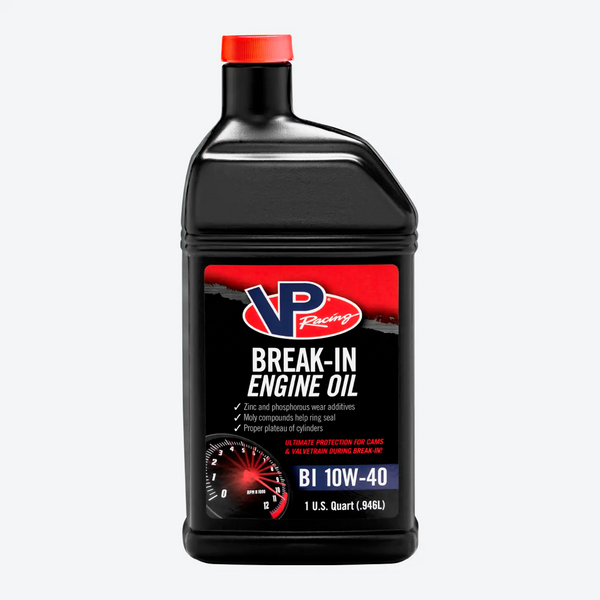
The first moments after an engine comes to life can influence its long-term performance. Freshly installed components rely on proper lubrication as critical surfaces begin working together during the initial operating period. Choosing the right oil at this stage is a smart investment that helps protect the time, effort, and precision behind every engine build.
Fresh engine components experience their highest level of controlled contact during the initial operating period. The lubricant used during this stage plays a unique role by supporting proper surface interaction while helping protect critical parts from excessive wear. The following points explain why this specialized oil is used and what makes it different from standard formulations:
During the first hours of operation, piston rings, cylinder walls, camshafts, and bearings begin establishing their working surfaces. A dedicated formulation helps these components wear together in a controlled manner so they can achieve an effective seal and stable long-term performance.
Specialized additives help reduce the risk of premature wear while allowing the normal contact needed during the break-in process. This balance is important because excessive protection can interfere with proper seating, while insufficient protection may increase unwanted component wear.
Freshly assembled internal components benefit from a lubricant formulated specifically for the earliest stage of operation. Instead of focusing only on long-term service intervals, this type of oil supports controlled wear patterns that help critical surfaces establish proper contact while reducing the risk of unnecessary damage. The additive package is intended for temporary use during the initial running period before transitioning to the lubricant recommended for normal operation.
Using the correct formulation during this stage is a worthwhile investment because it helps protect the effort and expense involved in an engine build. Following the manufacturer's break-in recommendations, monitoring operating conditions, and changing the oil at the appropriate interval all contribute to reliable performance and help prepare the engine for its next phase of service.
Selecting the proper lubricant depends on the engine's design, intended use, and manufacturer recommendations. The following considerations can help guide a successful break-in process:
Using the viscosity specified for the application helps promote proper lubrication during the initial operating period. Reviewing our article, Oil viscosity explained, can provide additional context before making a final selection.
After the recommended break-in interval, the lubricant should be replaced according to the engine builder's guidance. Comparing options through synthetic oil vs. conventional oil helps determine the most suitable oil for continued operation.
Selecting a dedicated break-in lubricant is an important step in protecting a fresh engine during its earliest hours of operation. Using a product designed for this purpose helps support proper component seating while preparing the engine for long-term performance.
Choosing a purpose-built lubricant from a trusted performance brand helps preserve the investment made in an engine build and provides a smooth transition into regular service after the recommended break-in interval.
Freshly rebuilt engines have different lubrication needs than engines that have already completed their initial operating period. During break in, the goal is to support proper component seating while providing appropriate protection for critical moving parts. A dedicated Break-in formulation is intended for temporary use before changing to the lubricant recommended for ongoing service.
Once the recommended Break-in interval has been completed, selecting the right long-term lubricant becomes the next priority. Learning how does oil type affect engine longevity can help you make an informed decision based on your application, operating conditions, and maintenance schedule.
Every engine deserves a lubricant that matches its stage of operation and performance goals. Our complete collection of VP Racing oil and lubricants includes solutions designed to help protect critical components from initial startup through long-term service.
Choosing the right oil is a smart investment that helps support reliable performance and protects the time and effort put into every engine build. Explore the available options to find the lubricant that best fits your application and maintenance plan.
Its primary purpose is to support proper component seating during the initial operating period while providing protection against excessive wear.
The recommended interval depends on the engine builder or manufacturer. Always follow the specified break-in schedule before changing to the regular service oil.
Follow the operating guidelines provided for your engine. Varying engine speed and avoiding unnecessary stress are common recommendations during this stage.
Many performance and freshly assembled engines benefit from a lubricant intended for the initial operating period. Check the engine builder's recommendations for your specific application.
Changing it before the recommended interval may interrupt the intended break-in process and reduce the opportunity for critical components to seat properly.
No. Once it has completed its intended service, it should be replaced with fresh oil that matches the engine's ongoing operating requirements.


