



VP Racing Fuels Official Fuel of Factory Connection Racing
San Antonio, TX (January 28, 2020) VP Racing Fuels, Inc., a leader in performance fuels, lubricants, and additives, has just...
Get FREE shipping on all non-hazmat orders of $125 +
Get FREE shipping on all non-hazmat orders of $125 +
A sudden temperature drop can turn a dependable diesel-powered vehicle or piece of equipment into a frustrating source of downtime. Restricted fuel flow, difficult starts, and reduced reliability often appear when winter conditions arrive, creating problems that affect productivity, schedules, and overall performance. Preparing before cold weather settles in can make a meaningful difference in how diesel systems perform throughout the season.
As temperatures fall, fuel-related issues can quickly affect diesel reliability and productivity. Understanding the causes of fuel gelling helps diesel owners recognize why seasonal fuel protection products are an important part of winter preparation:
Diesel fuel naturally contains paraffin compounds that can begin forming crystals as temperatures drop. Recognizing this process helps operators understand the value of choosing fuel treatments designed to support fuel movement during cold-weather operation.
Lower temperatures can make fuel more difficult to move through critical system components. Products formulated for winter fuel protection help address these conditions and can play an important role in maintaining dependable operation throughout the season.
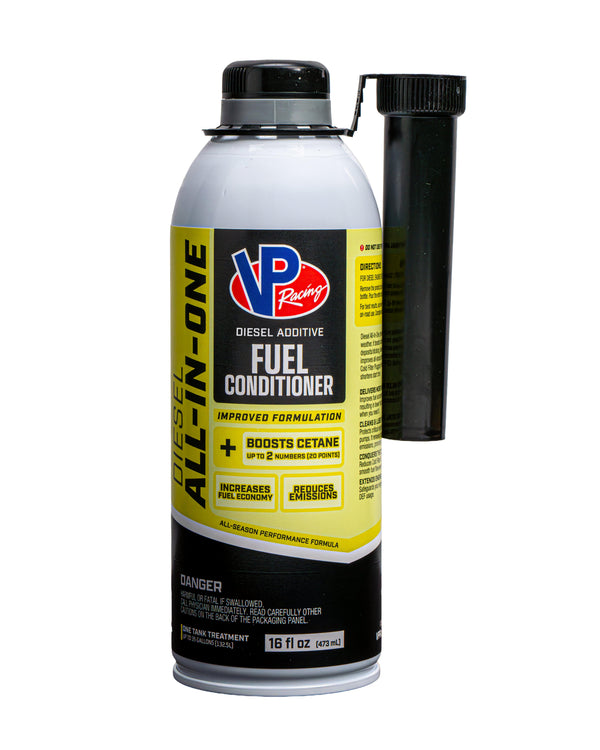
Cold-weather fuel challenges are often easier to prevent than they are to correct after problems appear. Products designed for seasonal fuel protection help maintain fuel movement in lower temperatures while supporting dependable operation during demanding winter conditions. Selecting a quality treatment before severe weather arrives can reduce the likelihood of restricted flow and unexpected downtime. Many diesel owners turn to specialized solutions such as diesel additive for winter to help address temperature-related fuel concerns and support more consistent cold-weather performance. Fuel protection becomes particularly valuable for equipment and vehicles that must operate reliably throughout the season.
Cold-weather fuel treatments are most effective when selected before winter conditions begin affecting performance. Understanding the benefits of anti-gel protection can help diesel owners evaluate products that support reliable seasonal operation:
Fuel-system restrictions can reduce performance and increase the likelihood of unexpected downtime. Anti-gel products are commonly selected because they help support fuel movement through critical filtration components during colder weather.
Cold starts place additional demands on diesel fuel systems. Many operators pair seasonal fuel protection with products such as best diesel injector cleaner additive to support cleaner fuel delivery and help maintain dependable winter performance.
Preparing for winter conditions starts with selecting products designed to support fuel quality, performance, and long-term reliability. VP Racing offers diesel-focused solutions that help address seasonal fuel challenges while supporting dependable operation in changing temperatures.
These products complement a proactive winter maintenance strategy and help diesel owners address seasonal fuel concerns before they impact performance. Choosing products tailored to diesel applications can contribute to more reliable operation throughout colder months.
Seasonal fuel maintenance plays an important role in helping diesel-powered equipment perform reliably during colder months. Fuel treatments can support fuel quality, help reduce deposit formation, and contribute to smoother system operation when temperatures begin to drop. Products designed for fuel-system maintenance are often used as part of a broader winter-preparation strategy that includes routine inspections and proper fuel storage practices. Many diesel owners incorporate a fuel additive cleaner into their maintenance routine to help support system cleanliness throughout the season. Supporting overall equipment protection may also include regular maintenance with products found in the VP Racing Oil and Lubricants collection, helping operators prepare equipment for changing operating conditions.
Winter conditions can place additional demands on diesel fuel systems, making preparation an important part of maintaining dependable performance. Choosing quality fuel treatments before temperatures decline can help support fuel flow, system cleanliness, and overall operational reliability throughout the season. At VP Racing, we are committed to delivering products that help customers get more from their equipment and fuel systems when conditions become challenging. Our diesel solutions are designed to support performance, protect fuel quality, and help keep equipment operating when dependable results matter most.
A diesel anti gel product is a fuel treatment designed to help keep diesel fuel flowing in low temperatures. It works by helping reduce the impact of cold-weather conditions that can affect fuel movement and vehicle operation.
A diesel anti gel product should be added before temperatures reach levels that may affect fuel performance. Preventive treatment is generally more effective than attempting to address problems after they occur.
Yes. Many diesel owners use seasonal fuel treatments each winter as part of their regular maintenance routine to help support reliable operation during colder months.
Yes. Fuel quality can influence how well a diesel system performs during colder weather. Clean, properly maintained fuel can help support smoother operation and reduce the likelihood of performance-related issues.
Yes. Equipment that spends extended periods in storage may benefit from fuel treatments that help maintain fuel quality and support system readiness when the equipment is used again.
Yes. Lower temperatures can influence overall vehicle and equipment performance, which may affect efficiency. Proper maintenance and fuel-system care can help support more consistent operation.


