



VP Racing Fuels Official Fuel of Factory Connection Racing
San Antonio, TX (January 28, 2020) VP Racing Fuels, Inc., a leader in performance fuels, lubricants, and additives, has just...
Get FREE shipping on all non-hazmat orders of $150 +
Get FREE shipping on all non-hazmat orders of $150 +
What you pour into your engine has a bigger impact than most users realize. From smoother startups to reduced wear and long-term reliability, the quality and type of lawnmower oil you choose can directly affect how well your equipment performs. Whether you’re maintaining a small residential mower or running high-output equipment for commercial work, selecting the right oil is one of the smartest investments you can make in your machine’s lifespan.


Lawnmower oil plays a central role in the durability and reliability of your small engine. It’s a protective barrier that reduces wear, stabilizes operating temperatures, and helps limit debris buildup over time. No matter if you’re working with a small yard or running a commercial mower for demanding workloads, picking the best lawnmower oil for your equipment is one of the most valuable investments you can make in long-term engine health.
Lawnmower oil creates a lubricating film between moving parts, reducing friction and helping the engine operate efficiently under load. This protection is especially important for air-cooled engines, which typically run hotter than liquid-cooled designs. When oil quality degrades or circulation becomes compromised, internal components face more stress, increasing the likelihood of wear and shortening the engine’s service life.
Not all oil for lawnmowers performs the same. Lower-grade formulations may break down faster or leave behind deposits that restrict airflow or interfere with combustion. Premium small engine oils are built to offer stronger thermal stability and cleaner operation, supporting smoother starts, more consistent performance, and fewer maintenance interruptions. For users who depend on their equipment, higher-quality oil pays off quickly by reducing downtime and extending engine longevity.
Choosing top-tier fluids becomes even more important when you look at real-world small engine challenges, as highlighted in our Best Gas for Lawnmowers article. Poor-quality fuel can lead to preventable repairs and expensive issues, and the same principle applies to oil: better inputs lead to better reliability. When both oil and fuel meet higher standards, small engines run cleaner, last longer, and stay out of the shop.
Push mowers, self-propelled units, and high-output rider equipment can all require different oil characteristics based on engine design, climate, and workload. The correct lawnmower oil type should match your engine’s operating demands and the environment it runs in. Manufacturer recommendations provide a starting point, but performance-focused small engine oils often deliver additional protection that goes beyond minimum specifications, especially in mowers that experience frequent or heavy use.
Oil viscosity is a key factor when choosing lawnmower oil, but it’s often overlooked. It determines how easily the oil flows at different temperatures, directly influencing startup lubrication, internal protection, and long-term performance. For anyone running small engines in shifting weather or under varying workloads, selecting the right viscosity is essential.
Viscosity measures an oil’s resistance to flow. Thinner oils circulate faster during cooler starts, whereas thicker oils provide steadier protection under heat. Using an incorrect viscosity can lead to excess wear, sluggish operation, or overheating when the engine is working hard. The ideal lawnmower oil is one that maintains its viscosity across your equipment’s full operating range, preventing metal-on-metal contact in demanding conditions.
Small engines rely heavily on proper oil flow because they typically run hotter and have less complex temperature control systems than larger equipment. This makes it critical to choose lawnmower oil that won’t thin out under load or become too thick to circulate effectively. A viscosity grade that matches your engine design and ambient climate helps protect internal components through every start, shut-off, and mowing session.
For a deeper look at viscosity grades, our Oil Viscosity Explained post breaks down the reasoning behind these ratings and how they affect small engine performance.
The right oil can extend the life of your equipment, reduce wear, and support consistent power output. But with so many options available, selecting the best oil for lawnmower performance depends on more than brand or price. It requires understanding your engine’s design, the conditions it operates in, and how the oil is formulated. Making the right choice is one of the smartest long-term investments you can make in small engine reliability.
Not all lawnmower engines operate the same way. Some are built for short mowing sessions, while others run for long periods under steady load. Choosing the correct oil begins with your engine manual, which outlines the proper viscosity grade and performance requirements. Using oil outside of those guidelines may affect lubrication flow, heat control, and overall engine stability.
Hot weather, thick grass, and extended run times all influence how hard your oil has to work. A premium-grade lawnmower oil designed for small engines will resist thermal breakdown and help limit deposits. Equipment used frequently or under demanding conditions benefits from oils with effective detergent systems that keep internal components cleaner and protected over time.
Many products marketed as lawnmower oil rely on vague or generic wording. Instead, look for clear SAE viscosity ratings and confirmation that the oil is suitable for small engines. The ideal lawnmower oil is one that has been tested in real operating environments similar to how you use your equipment, ensuring dependable protection from season to season.
Oil isn’t just a functional necessity; it’s a long-term investment in your equipment’s performance and lifespan. The lawnmower oil you choose determines how well the engine handles heat, friction, and deposit formation over months and years of use. Here’s how oil type directly influences durability and why it matters for every lawnmower owner:
Using a low-grade or generic oil for lawnmower operation can lead to accelerated wear. These oils often break down quickly under heat, leaving behind sludge or allowing key components to run with inadequate lubrication. Over time, this increases friction, reduces power, makes starting harder, and can result in repairs that could have been prevented with a better oil choice.
Selecting the best lawnmower oil means choosing a blend that maintains its viscosity under load and stays stable through long mowing sessions. Quality oil helps control heat, supports cleaner combustion, and protects seals and internal surfaces from premature dry-out or cracking. A strong, reliable oil film keeps parts moving smoothly with less resistance, and that directly contributes to longer engine life and fewer maintenance issues.
The oil used during a new engine’s initial hours plays a vital role in establishing proper wear patterns. During this period, internal components are still settling, and using an oil designed for break-in can help ensure that process happens correctly. For a deeper look at why break-in blends are important, check out our Break-In Oil: Why It Matters article.
Using the wrong oil can lead to more than poor performance; it can shorten engine life, reduce reliability, and increase maintenance costs. Recognizing early warning signs helps protect your equipment and ensures you’re getting the most from your investment. These are the most common indicators that your lawnmower oil may not be providing the protection your engine needs:
If your mower begins to sound harsh or vibrate more than normal, it may be a sign that the oil isn’t providing sufficient lubrication. Inadequate oil flow increases friction between moving parts, which accelerates wear in areas that require consistent protection.
During routine checks, inspect the dipstick or drained oil. If the lawnmower oil is unusually dark, thick, or contains visible debris, it may be breaking down faster than expected or failing to hold contaminants properly. This reduces its ability to protect internal components over time.
Small engines that run hotter than normal, lose power, or strain under typical mowing conditions may be operating with oil that’s too thin, degraded, or poorly matched to the engine’s demands. Quality lawnmower oil resists thermal breakdown, helping the engine maintain consistent output even during long or heavy mowing sessions.
A noticeable burning odor or visible smoke can signal that the oil is being consumed or overheated. Lower-grade oils evaporate more easily under stress, which leaves internal surfaces exposed and increases the likelihood of premature wear or scoring.
Changing your oil is a straightforward task that yields significant benefits in terms of performance, longevity, and fuel economy. With just a few adjustments to your routine, you can make sure every oil change supports your engine’s health and maximizes output. Follow these tips for a more efficient maintenance process:
Car engine oil is not recommended for lawnmowers unless your equipment manual specifically approves it. Small engines often rely on oils formulated for air-cooled operation, which require different viscosity behavior and additive balance than many automotive oils.
Check the oil level before every use. Small engines can consume or burn oil faster than larger equipment, and running low even once may cause permanent internal damage.
Overfilling can lead to foaming, reduced lubrication, smoke, and power loss. Drain the excess oil immediately to avoid long-term wear.
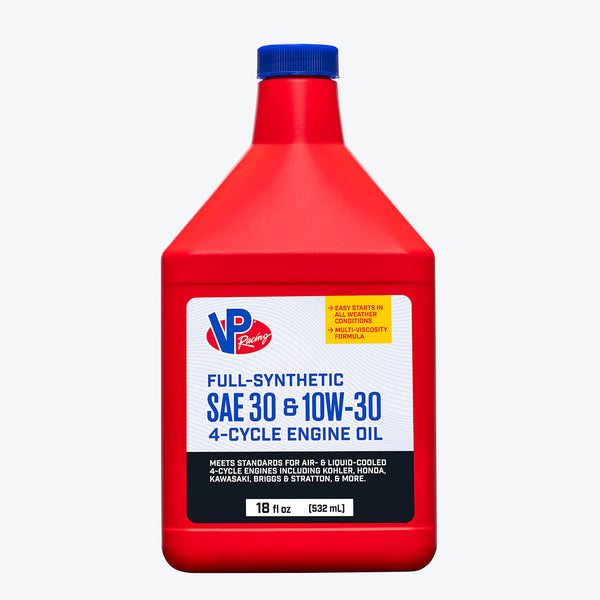
Synthetic oil often performs more consistently in extreme temperatures and heavy workloads, as long as the mower manufacturer confirms compatibility. Choosing the right oil type is a strong long-term investment in engine protection.
Yes. Even unopened oil can degrade after several years, especially if exposed to heat or poor storage conditions. Old or contaminated oil may not protect the engine effectively.
Fresh lawnmower oil is usually amber or light brown. If it turns black rapidly, it may signal overheating, combustion byproducts, or internal wear.
Join to get special offers, free giveaways, and once-in-a-lifetime deals.